Taal
Taal
 +86-15268315011


 Engels
 Ik denk dat dit het geval is
 Spaans
 русский
Styrenic Block Copolymers (SBCs): Types, Properties, and Applications | Zhonglitec
Styrenic block copolymers (SBCs) represent one of the most versatile families in the thermoplastic elastomer (TPE) world. Combining the elasticity of rubber with the easy processability of thermoplastics, they have become indispensable in industries ranging from adhesives and asphalt modification to medical devices and consumer goods. At Zhejiang Zhongli Synthetic Material Technology Co., Ltd., we have dedicated decades to mastering SBC chemistry and production, supplying high‑quality grades that engineers and formulators trust. Whether you need a standard non‑hydrogenated SBS or a fully hydrogenated SEBS, our portfolio is built to meet real‑world demands with consistency and precision.
What Are Styrenic Block Copolymers?
SBCs are composed of hard polystyrene blocks covalently bonded to soft elastomeric blocks—typically polybutadiene, polyisoprene, or their hydrogenated equivalents. This block architecture gives the material two distinct phases: the hard domains act as physical crosslinks, providing strength and shape retention, while the soft segments deliver flexibility and resilience. Because the crosslinks are physical rather than chemical, SBCs can be melted and reprocessed like conventional plastics, offering a significant advantage over thermoset rubbers.
The most common types of SBCs are:
- Styrene‑Butadiene‑Styrene (SBS) – Non‑hydrogenated, cost‑effective, and widely used for footwear, asphalt, and adhesives.
- Styrene‑Ethylene‑Butylene‑Styrene (SEBS) – Hydrogenated version of SBS, offering superb thermal and UV stability.
- Styrene‑Ethylene‑Propylene‑Styrene (SEPS) – Hydrogenated from SIS, providing excellent oil solubility and optical clarity.
- Hydrogenated Isoprene Polymer (EP) – Fully saturated, low‑viscosity modifier for lubricants and specialty coatings.
The hydrogenation process saturates the carbon‑carbon double bonds in the elastomeric block, dramatically improving resistance to heat, oxygen, and ozone, while maintaining the material’s thermoplastic nature.
Key Properties of SBCs at a Glance
| Property | SBS | SEBS | SEPS | EP |
|---|---|---|---|---|
| Hardness (Shore A) | 60 – 95 | 30 – 90 | 25 – 80 | 40 – 85 |
| Tensile Strength (MPa) | 10 – 25 | 8 – 30 | 6 – 20 | 5 – 15 |
| Elongation at Break (%) | 500 – 1000 | 400 – 900 | 300 – 800 | 400 – 700 |
| Service Temperature (°C) | -30 to 70 | -40 to 120 | -40 to 110 | -40 to 130 |
| Weather Resistance | Fair | Excellent | Excellent | Excellent |
| Oil Resistance | Poor | Good | Excellent | Excellent |
These properties make each SBC type suitable for distinct applications. For example, SBS is often chosen where cost and elasticity are primary, while hydrogenated grades like SEBS and SEPS are preferred for outdoor or high‑temperature environments.
Industrial Applications of SBCs
Owing to their tunable balance of performance and processability, SBCs are used across dozens of industries. Some of the most common adhesives and sealing materials, asphalt modification, plastic toughening, and consumer products rely on these copolymers.
- Adhesives & Sealants – Hot‑melt adhesives, pressure‑sensitive tapes, and construction sealants benefit from SBCs’ high tack and shear strength.
- Asphalt Modification – SBS and SEBS improve rutting resistance, fatigue life, and low‑temperature flexibility of pavements and roofing membranes.
- Plastic Toughening – Adding SEBS or SEPS to polypropylene (PP) or engineering plastics dramatically improves impact resistance without sacrificing stiffness.
- Consumer Goods – Soft‑touch handles, toothbrush grips, footwear midsoles, and adult toys use transparent or colorable SBC compounds.
- Lubricant Additives – Hydrogenated SBCs (especially SEPS and EP) act as viscosity index improvers and thickeners in engine oils and greases.
- Medical & Food Contact – Biocompatible SEBS grades are used in tubing, seals, and packaging where cleanliness and regulatory compliance are paramount.
- Fiber Optic Cable Filling – Low‑viscosity EP compounds provide moisture‑blocking and damping properties.
For a deeper dive into a specific sector, we recommend our complete SEBS application guide which covers processing tips and formulation strategies.
Why Hydrogenation Matters
Non‑hydrogenated SBCs like SBS contain double bonds that are vulnerable to thermal and oxidative degradation. Hydrogenation replaces those bonds with saturated ones, producing SEBS, SEPS, or EP. The benefits are clear:
- Thermal Stability – Processable at higher temperatures without crosslinking or discoloration.
- Weather Resistance – Excellent UV and ozone resistance, ideal for outdoor and automotive applications.
- Compatibility – Better miscibility with polyolefins and other engineering thermoplastics.
- Longer Service Life – Parts maintain mechanical properties longer under aggressive conditions.
At Zhonglitec, our hydrogenation technology is backed by years of process optimization and a modern DCS‑controlled plant. We offer a full line of SEBS and SEPS grades tailored to exacting requirements.
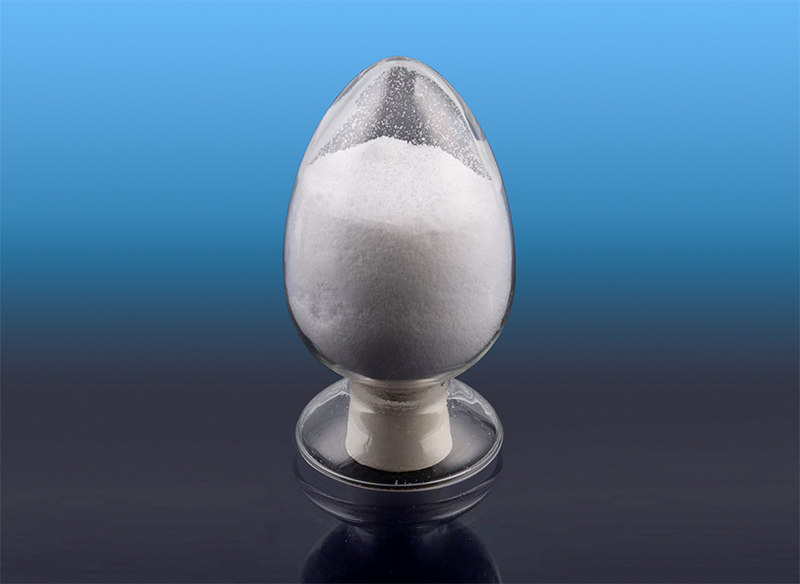 Zhongli Hydrogenated SEBS Thermoplastic ElastomerThis SEBS offers excellent low-temperature resistance, aging resistance, and high elasticity, with good compatibility with polyolefins and polystyrene. Ideal for plastic modification, shoe materials, and sealing applications.View Product →
Selecting the Right SBC for Your Project
Choosing the correct SBC type depends on your target performance, processing method, and cost constraints. Here are some general guidelines:
- If you need maximum economy and the end‑use environment is benign, start with SBS.
- If the product must endure sunlight, heat, or repeated washing, a hydrogenated grade (SEBS or SEPS) is safer.
- If oil resistance and transparency are critical (e.g., for cosmetic or lubricant applications), SEPS is often the best fit.
- If you require a low‑viscosity rheology modifier for lubricants or coatings, EP provides the right solution.
We manufacture both SBS and fully hydrogenated SEPS, giving you a single source for all your SBC needs. Our technical team is ready to help optimize formulations and processing parameters.
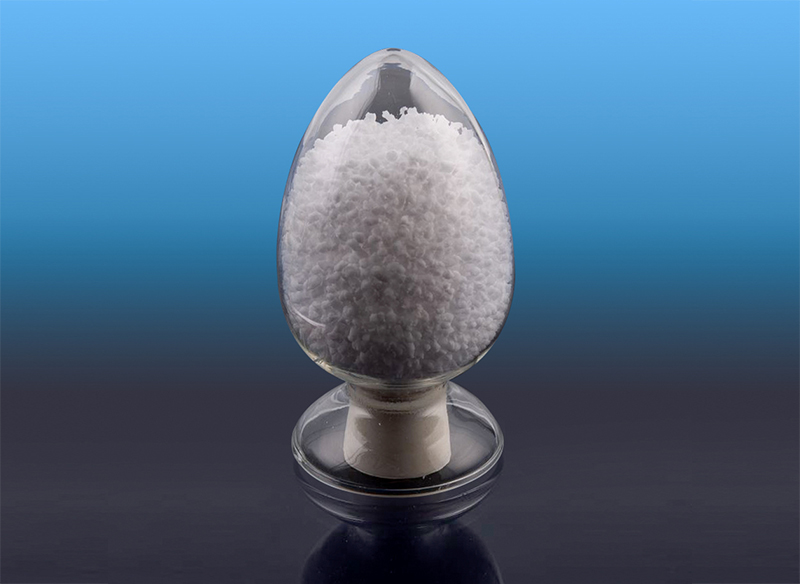 Zhongli SBS Thermoplastic Elastomer for Versatile UsesOur SBS combines plastic processability with rubber elasticity, featuring a high friction coefficient and outstanding low-temperature performance. Commonly applied in asphalt modification, adhesives, and footwear.View Product →
 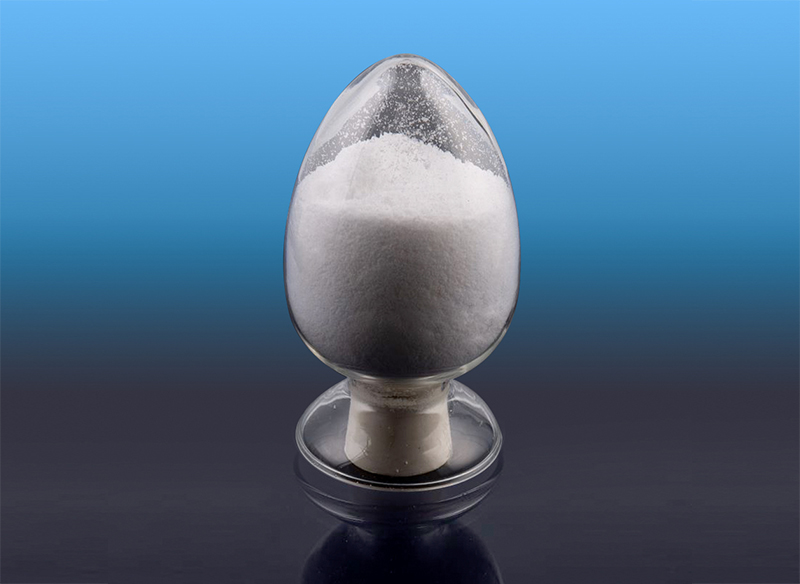 Zhongli Hydrogenated SEP(S) Oil-Soluble Rheology ModifierThis SEP series offers good oil solubility, transparency, and thickening properties, making it suitable for optical cable filling pastes, cosmetic thickeners, and lubricating oil viscosity improvers.View Product →
From raw material selection to final part performance, styrenic block copolymers offer a remarkable combination of simplicity and sophistication. Whether you are developing a new adhesive formula, modifying asphalt for a highway project, or creating ergonomic consumer products, understanding SBC fundamentals will help you make informed decisions. We invite you to explore our product range and reach out to our experts—we are here to help you succeed.